


Devdutt Pattanaik’s name turned up on the Himalayan Writing Retreat’s website, which I check routinely. There it was: Jungal me Mangal – a mythofiction talent hunt with Devdutt Pattanaik, and there was a possibility that HarperCollins would publish it. I don’t know why, but it was calling out to me.
Maybe it was the picture of the retreat pinned on my vision board, or the near miss from a previous writing workshop. Either way, I knew I had to apply.
Dear poet/writer, we’d love to know you better.
What are you writing?
In prose, you prefer…
To stay informed about articles related to poetry writing,
would you like to get emails from us?
We don’t spam and you can unsubscribe any time.
In prose, you prefer…
To stay informed about articles related to fiction writing,
would you like to get emails from us?
And we’re happy to throw in two free courses, too
We don’t spam and you can unsubscribe any time.
To stay informed about articles related to prose and poetry writing,
would you like to get emails from us?
And we’re happy to throw in two free courses, too
We don’t spam and you can unsubscribe any time.
To stay informed about articles related to non-fiction writing,
would you like to get emails from us?
And we’re happy to throw in two free courses, too
We don’t spam and you can unsubscribe any time.
The requirements were clear: participants had to be previously published and had to submit a short writing sample for assessment. And they had to be below 38. I checked all the boxes. I took a few days to create a piece I was happy with and clicked submit.
To make it really sweet, the fees were a nominal Rs 10,000. This included a four-night stay and all meals!! So we would be working with Devdutt Pattanaik and Udayan Mittra, paying a pittance and possibly getting published by HarperCollins, all for 10k! I wondered what the catch was.
I could imagine that hundreds of people would queue up for those precious ten spots. The odds felt impossible despite all my optimism. I checked my email obsessively.

And then, bingo! On the 9th of September, I received an email from the Himalayan Writers’ Retreat. I held my breath as I opened the email – I had been accepted! Soon after that, I got a call from the HWR team too!!
I had been selected and asked to confirm my spot. I could not believe that I would be mentored by Devdutt Pattanaik himself, that too in the Himalayas. I said yes immediately and started counting the days. One corner of my mind continued to wonder what the catch was. It was all too good to be true.
I arrived at the retreat on the 10th of October to starlit skies, a brisk breeze, and the warmth of the most delicious pumpkin soup I have ever had. Just as I started to settle down and enjoy the warm fire, Devdutt told us the project he had in mind.
He said we would be writing a book in three days. Not ideating. Writing. Each of us was expected to write a chapter of 3000+ words over the three days. These chapters would all thematically be tied together. (Speed-writing? I wondered.)
That very night, we were assigned our first task. We had to summarise the Ramayana in 500 words and submit it by 9 AM the next morning. The clock had started immediately. We were to learn over the next three days that Devdutt was a tough act to follow.
Just then, Chetan, the co-founder of the Himalayan Writing Retreat, said there was a moonrise happening. I had never seen one before. As if foreshadowing everything that was to come, I watched a bright, almost full moon rise from behind the Himalayas. All ten of us stood in silence with our host and mentors, feeling an electric mix of excitement and terror that only writers facing an impossible deadline understand.
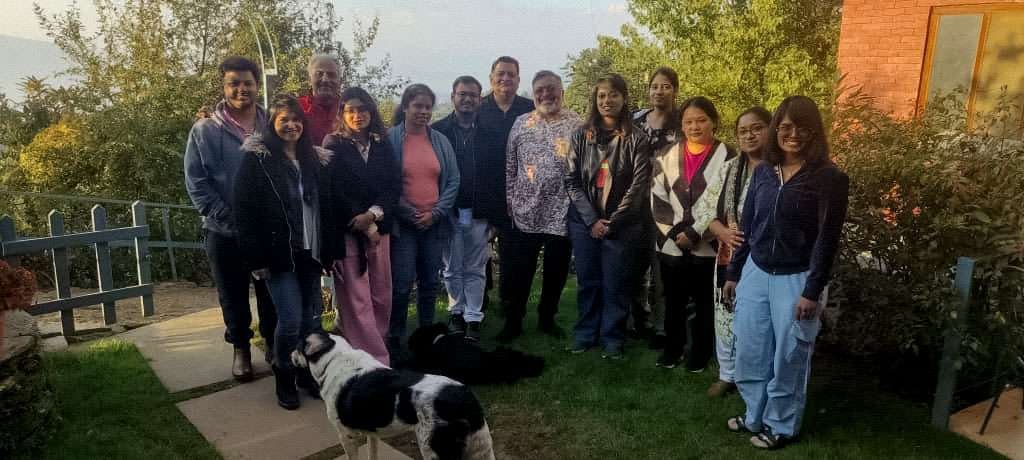
The cohort was extraordinary: Aditi Chandrasekar, Akash Bansal, Akumnaro Alley, Amrutha Manoj, Anisha Jain, Anushka Chatterjee, Ashwini Shenoy, Nishit Jain, Rachita Ramya, and me. Many of them were already published authors, but each of us arrived with unique voices and a hunger to create. I felt equal parts inspired and intimidated.
Most of us pulled an all-nighter, speed-writing, thinking and working. The next morning, the vision for the book was revealed. We would be creating a mythofiction reimagining of the Ramayana through the perspectives of lesser-known characters. We were excited, but Devdutt and Udayan slowed us down. First, we needed research and structure.
Day one was spent in lectures with Devdutt about technical aspects of writing. We learned how to divide the word count between the beginning, the middle, and the end. We learned how to do justice to characters and how to let the story build naturally. At the end of the day, each of us was given a character pair to research and write about.
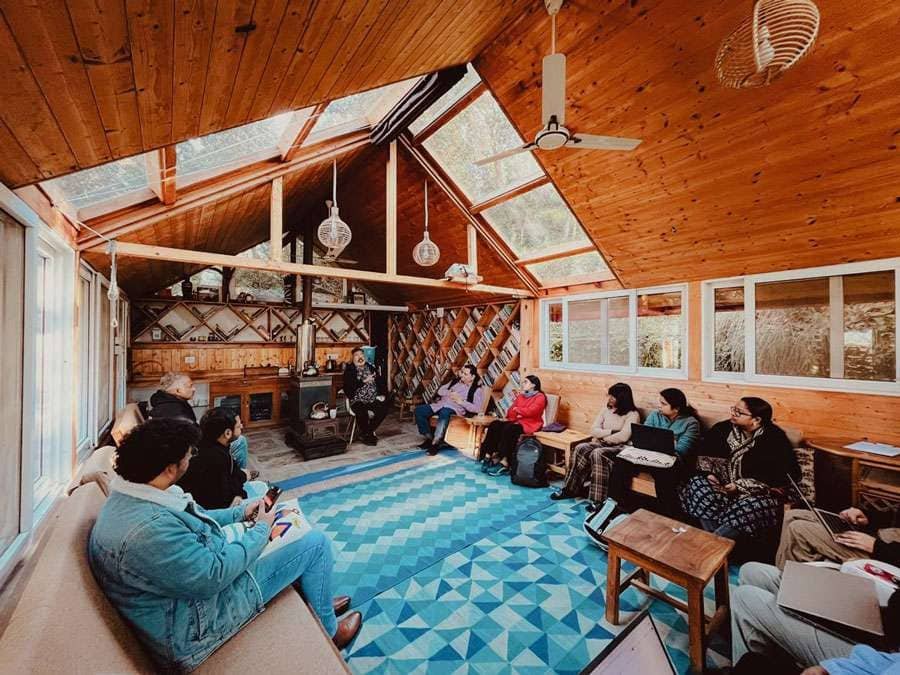
On the second day, we read out our research. Then came the twist. The research we had done was for someone else’s topic. We picked chits to decide our actual assignment. The rest of the day continued with analysis of the Ramayana, discussions of characters’ inner and outer worlds, and rapid-fire writing exercises unlike anything we had done before. These exercises pushed us to improve, and our true voices emerged. The speedwriting saga continued. We were asked to collaborate to ensure the story flowed throughout the book despite the varied writer voices. The day ended with the assignment to create and submit a draft for Udayan Mitra by the next session.
Udayan Mitra was a calm, steady presence. His decades in the publishing industry manifested themselves as gentle wisdom. Although he heads the literary and non-fiction publishing divisions at HarperCollins, he was not intimidating. Rather, he was an easy, approachable person.
On the third day, we had rough drafts based on everything we had learned. Devdutt and Udayan reviewed each piece and gave one-on-one feedback. This day was reserved for completing the second draft. Just like that, a book had started taking form. In hindsight, it was incredible that ten writers – and complete strangers from different walks of life – had come together to write a book in three days.
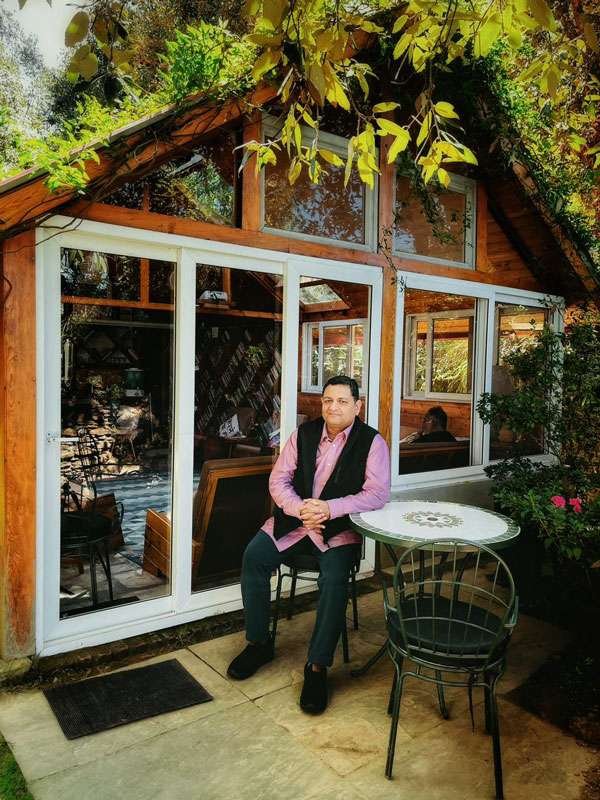
One of the most liberating realisations of the retreat was understanding the difference between mythology and mythofiction. Mythology is sacred and fixed in texts written centuries ago. Mythofiction is ours to shape. When I received my assigned chapter, my first reaction was a mix of excitement and uncertainty.
It was not all fun and games. There was real pressure because we knew we had to perform at the highest standard. Deadlines were stiff, and quality could not slip. This was not a writing exercise. It was a professional project with HarperCollins. Speed writing does not mean sloppy writing.
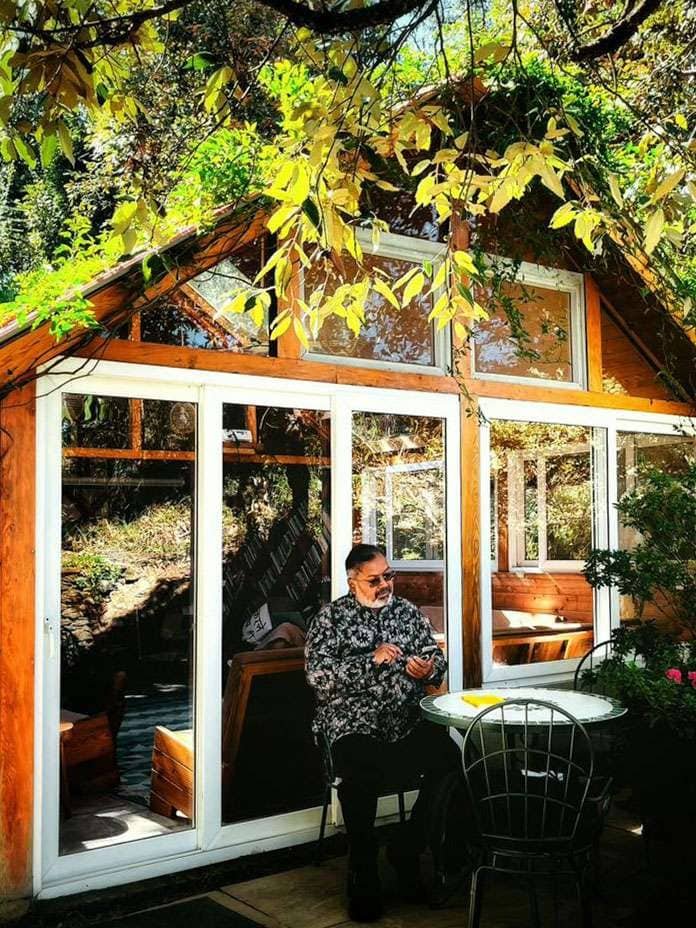
The reviews and one-on-one sessions were intense. The days pushed me to dig deeper, to cut what did not serve the story, and to be braver. “Kill the darlings,” Devdutt would quote Stephen King. There were moments of self-doubt when I wondered whether I belonged there at all. I had vivid visions of being told I was not good enough and asked to leave. My imposter syndrome was thriving.
But that doubt, I learned, was part of the process. The Devdutt Pattanaik and HarperCollins standard demanded that we level up. Some of us arrived already knowing we would have to rise to the occasion. Others understood it slowly. In the end, all of us pushed ourselves further than we thought possible. Each exercise, right from the very first one, was designed to bring forth the best possible output from us. The exercises forced us to build camaraderie among ourselves. Some of us were very well versed in the Ramayana, some knew it but not in depth, and some barely knew it.
We shared our knowledge with each other freely. Where someone was stuck, we would help – passing notes, explaining character motivations, filling in gaps. Together, we explored the difference between mythology and mythofiction, learning to honour the sacred while finding freedom to reimagine. Our bonds deepened over discussions during tea and coffee breaks, and over warm dinners in front of the fire.
These weren’t just casual conversations; they were spaces where we tested ideas, workshopped difficult passages, and encouraged each other through doubt. For the first time, I was with a group of writers who were not here to outshine the others but wanted to create something together, where everyone’s writing shines, but individual voices remain distinct. We celebrated each other’s strengths. When someone nailed a piece of dialogue or crafted a beautiful metaphor, the room would respond with applause and hooting.
I unlearned the myth of the perfect first draft. I unlearned the fear of writing badly before writing well. I unlearned the need to have everything figured out before beginning. I learned that discipline and creativity are partners rather than opposites. I learned that great writing happens in community. I learned that deadlines can sharpen creativity. I learned to trust my voice even when telling someone else’s story. And I learned that I am capable of far more than I give myself credit for.
I hope that when our book is published, this spirit of collaboration shines through.
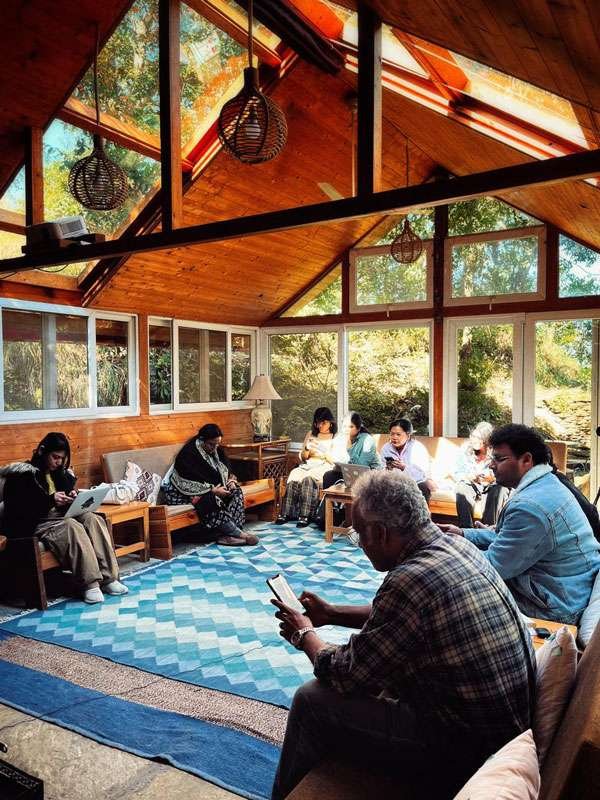
Working with Devdutt Pattanaik and Udayan Mitra was a masterclass in storytelling, mythology, and craft. Their insights were generous, their feedback precise, and their encouragement genuine. Knowing that we all had a shot at a book deal with HarperCollins felt surreal. We even agreed on the broad sketch of what our book deal terms would be, and that made the whole idea that much more real.
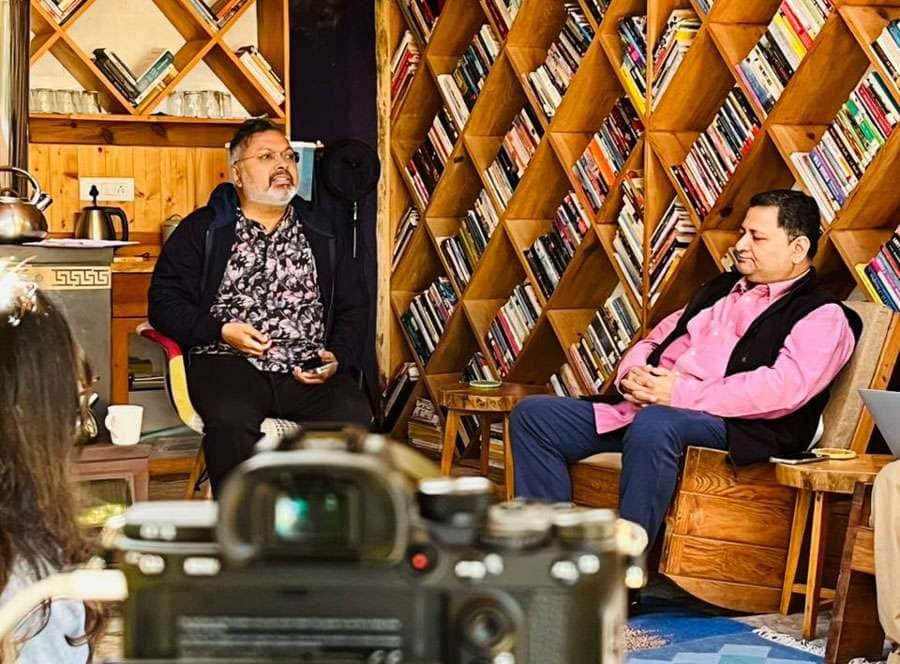
I cannot help but thank the Himalayan Writing Retreat for organising this talent hunt and hosting the workshop. Chetan and his team, especially Renu, took care of every detail and made us feel welcome. It was bliss to write in the lap of the Himalayas with no responsibilities, no chores, and in the company of like-minded people discussing the art of writing.
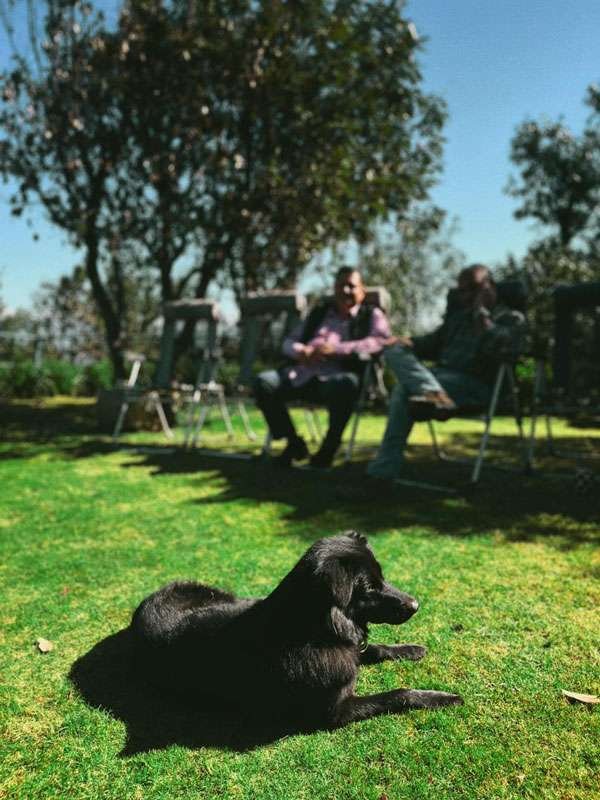
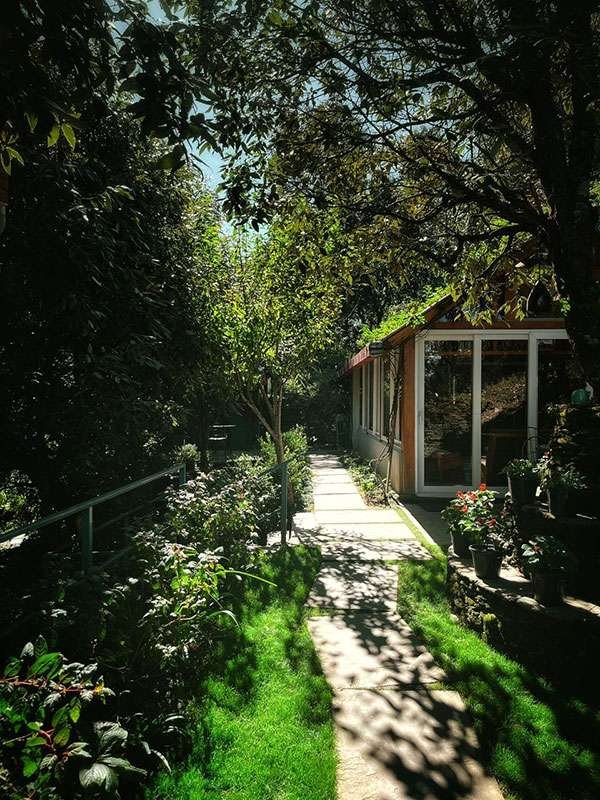
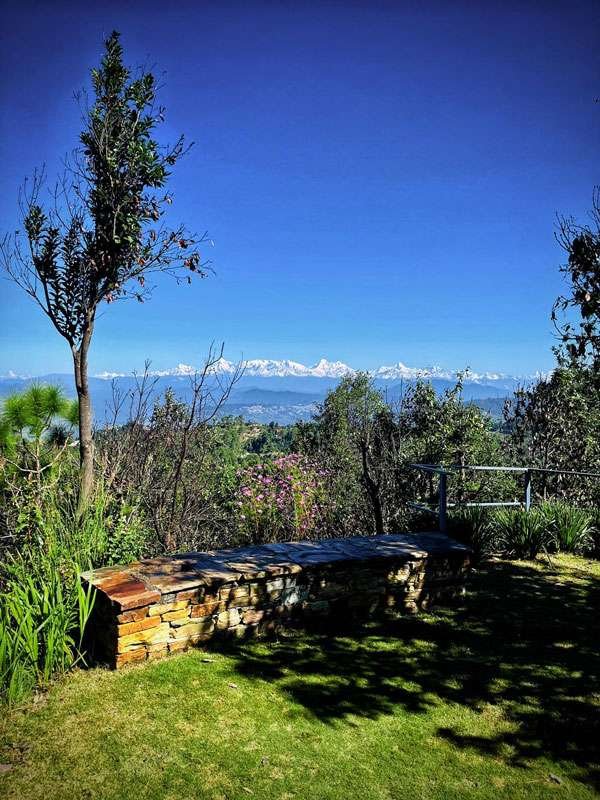
While the workshop was greatly subsidised, the experience was by no means subsidised. The cosy cabin in the woods vibe, the spotlessly fresh rooms, wide windows framing the Himalayas, and the warm bed were extraordinary. The food was not just good, it was exceptional. The pumpkin soup set high standards, and the kitchen maintained that standard for each meal, each dish. The venue was breathtaking – everywhere we looked, it was like looking at a live painting. The lounge, the clearing, and the many nooks cradled in nature provided the fuel to our creativity.
The level of hospitality was worth far more than any monetary price. I went in thinking I was making an investment in my writing future, and left with an experience I will cherish all my life.
What seemed impossible on October 10 became reality by October 14. We arrived as individual writers with potential. We left as a cohort of authors who had tasted what we were capable of achieving. And also some expertise in writing really fast. I also realized there was no catch – sometimes good people do good things, and some stories are fairy tales with happy endings.
As I descended from the Himalayas on October 14, I carried the knowledge that I can create under pressure, that my voice matters, and that my stories deserve to be told. I am looking forward to the publication of our book by HarperCollins, which I hope will open doors for future projects and collaborations. Working with Devdutt Pattanaik has been a dream, and this association feels like a significant milestone in my writing career. The skills I learned during those three days, from structure to discipline to trusting my voice, are already shaping my individual writing projects.
The mountains taught me that the only way to write a book is to write it. Three days at a time, one word after another, with your whole heart on the page. And I am just getting started.



5 Responses
Insightful…inspiring…a great experience for aspirational writers 👏
Thanks Meenakshi.
Wow ! Truly inspiring ! Why not for people who are fifty plus 😊
The Jungal me Mangal format is such a clever way to structure a workshop, having a potential HarperCollins deal built in must have made every writing session feel genuinely high stakes. The line about the mountains teaching you that the only way to write a book is to write it is something that stays with you.
Thanks