



Virginia Woolf does not need an introduction. She’s a pioneer in the world of literature and has contributed immensely to the modernist movement. She was a deep thinker, a radical feminist and a writer. Her works have proved to be timeless, capturing the intricacies and embarrassment of being a human in this tumultuous world that we abide in.
Dear poet/writer, we’d love to know you better.
What are you writing?
In prose, you prefer…
To stay informed about articles related to poetry writing,
would you like to get emails from us?
We don’t spam and you can unsubscribe any time.
In prose, you prefer…
To stay informed about articles related to fiction writing,
would you like to get emails from us?
And we’re happy to throw in two free courses, too
We don’t spam and you can unsubscribe any time.
To stay informed about articles related to prose and poetry writing,
would you like to get emails from us?
And we’re happy to throw in two free courses, too
We don’t spam and you can unsubscribe any time.
To stay informed about articles related to non-fiction writing,
would you like to get emails from us?
And we’re happy to throw in two free courses, too
We don’t spam and you can unsubscribe any time.
Woolf published a total of twenty-five books in her lifetime, along with other works such as essays, criticisms and a collection of her diaries and letters. She was a central figure in the Bloomsbury group – a circle of artists, writers and thinkers based out of Britain. In this article, we will have a look at the best books by Virginia Woolf. This list has been prepared in increasing order, featuring lesser-known facts and stories around the text. She is known for her signature ‘stream of consciousness’ style in her works, a narrative device that was popularized in the Twentieth century.
If you haven’t read Virginia Woolf yet, this list is a great place to start. While I understand her work is complex to understand and that can be intimidating at times, too, but it’s also deeply rewarding. Her voice is so unflinchingly real that reading her will change you, for the better. Renowned scholar Hermione Lee, who wrote a biography of Woolf, confessed anxiety about the possibility of meeting Woolf in person. “I think I would have been afraid of meeting her,” Lee writes, “I am afraid of not being intelligent enough for her.” Once you step into her world, you begin to see how she writes emotion, memory, and consciousness with unmatched brilliance.
Here is the list of the best books by Virginia Woolf:
1. The Voyage Out
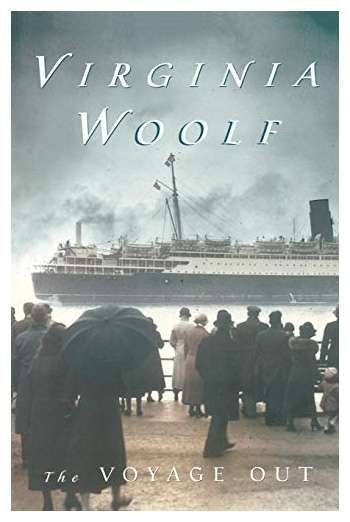
This was Woolf’s first novel, and it already hints at the psychological depth that would define her later works. Rachel, our protagonist, has been a sheltered young woman all her life and tastes freedom on a sea voyage trip for the first time ever. She is constantly told through interactions, about the behaviours expected out of a woman yet there is a current of resistance in her. The novel pays sharp attention to women’s lives through other characters such as her two unmarried aunts – Miss Saintsbury and Helen Ambrose. What makes this read an interesting one is that the whole text has an underlying sense of anxiety and that keeps the reader on edge.
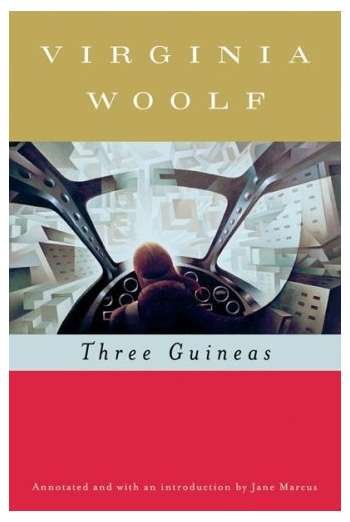
2. Three Guineas
It’s a non-fictional work with certain fictional elements all aimed to understand war in a nuanced manner, what can be done to prevent it and the role of a patriarchal society in sustaining it. Virginia Woolf had experienced the First World War and the looming presence of the Second World War before her suicide. She subscribed to the belief system that all wars bring destruction and evil. Through a series of imagined letters and responses, Woolf proposes that women by standing outside traditional power systems have a unique perspective to offer in preventing conflict. Three Guineas remains one of her more political works.
3. How Should One Read A Book
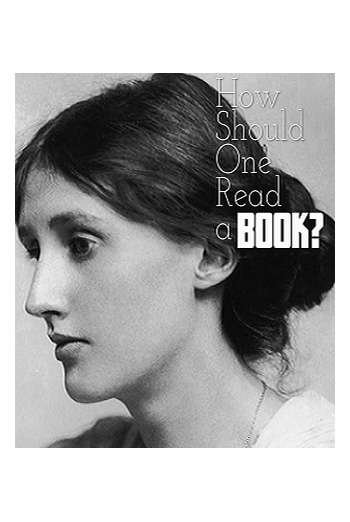
The old adage goes ‘to be a great writer, you must be an avid reader’ and Virginia Woolf went one step forward by telling the reader exactly how to be one. One of the central ideas of the text is to learn to pick and set what kind of expectations you have from a certain book. She asks the reader to imagine themselves to be the writer. Asking questions such as ‘How would you have chosen to end this book if you did not like this ending?’ This book is a great read for someone who wishes to be a critic.







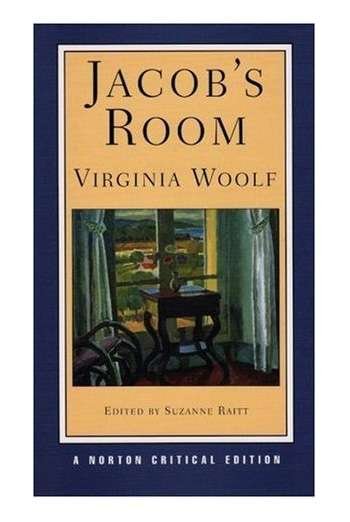
4. Jacob’s Room
This novel is based on the third child of the widowed Betty Flanders from his childhood till after his death in the First World War. As the name suggests, our protagonist is called Jacob. When the war breaks out in Britain, he enlists as a lower-ranked officer and suffers the fate of tragic death in combat like many others. The novel is maimed with a deep sense of loss and absence of this one person, recounted through other characters’ perception of him.
5. Orlando
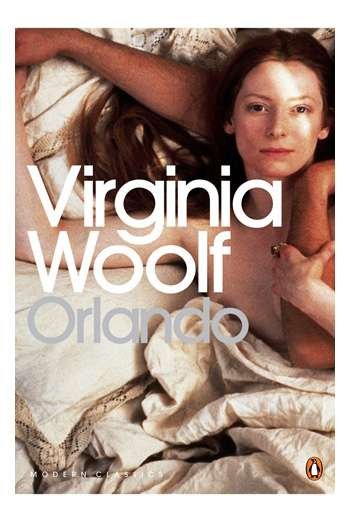
Orlando is Virginia Woolf at play. It’s such a romp of a novel, yet it delivers sharp commentary on gender and identity through the vantage point of time. The story follows the protagonist, Orlando, across centuries and genders as he navigates life from the Elizabethan era to the Twentieth century while transitioning into a woman. I must warn you that there are hints of racism in there too, but in the text’s defence, it was published in 1928.
6. Between the Acts
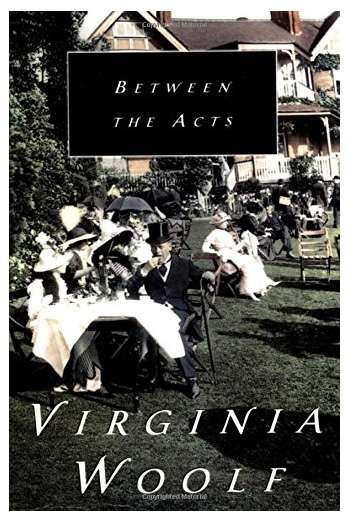
This was the last book that she had written before her suicide in 1941. There’s no protagonist as such in the novel, as it is spread evenly between generations of one English family on a June day. The main event of that day is a pageant which is intended to bring together the literature and history of England. Through the preparations, performances, and interactions of the characters, Woolf reflects on the passage of time, the layers of memory, and the fragile continuity of life. Beneath the surface of this seemingly quaint celebration lies a subtle commentary on change, social tensions, and the looming shadow of war.
7. The Years
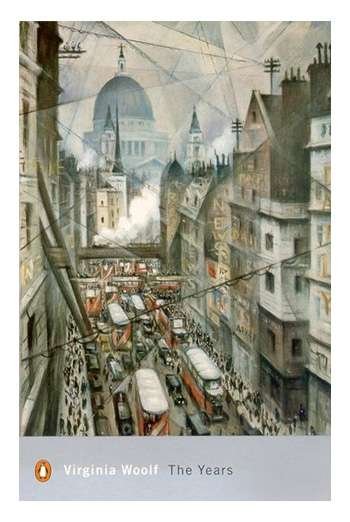
When ‘The Years’ was published, it had become an instant bestseller. Yet, this text is one of the least read texts in academic circles. It’s an episodic novel based on the Victorian family of Pargiters. We follow the trajectory of characters in action and their consequences through the linearity of time. The experience of reading this novel feels like eavesdropping on different lives, but the way Virginia Woolf has deliberately written this is such a joy to read. Woolf creating worlds and making them intersect will always be a quality I admire the most in her.
8. Moments of Being
There’s a shade of blue attached whenever a topic of Virginia Woolf comes up because of her severe mental illness or the fact that she committed suicide. But one of the reasons why I have chosen this work is that you can see her aliveness in Moments of Being. It’s a collection of autobiographical essays, written at different periods of her life exploring her childhood, adulthood, the chaos of war and musings on life. The text is almost spiritual in nature, asking the reader to embrace life with open arms and to live in the present moment.
9. The Waves
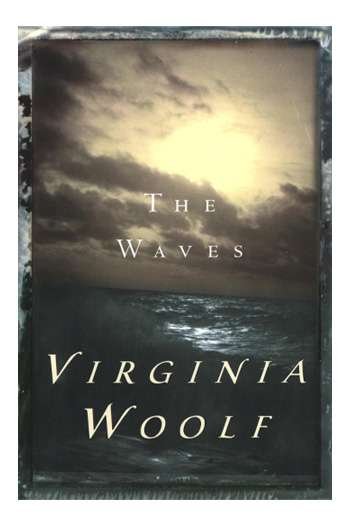
This was Woolf’s seventh novel and maybe the most experimental one. The text has soliloquies by six protagonists – three men and three women, who knew each other in early childhood and were separated by the weight of gender. Woolf herself called this work “difficult,” and she wasn’t wrong. It’s a book that demands patience and imagination, but the journey it takes you on is truly so beautiful.
10. To the Lighthouse
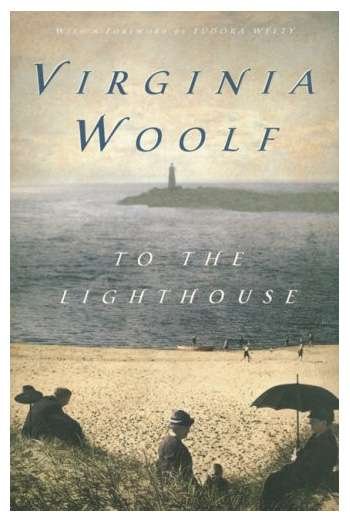
The plot of the novel is quite simple but it’s set in a time frame of ten years. The Ramsays’ family houses eight children and travels to their summer home for a vacation right before the beginning of the first World War. Across the bay from their house stands a tall lighthouse, which represents various meanings throughout the text. The family hosts various guests while diving very deeply into interior lives, making the reader experience pure domesticity on one side and existentialism on the other.
11. A Room to One’s Own
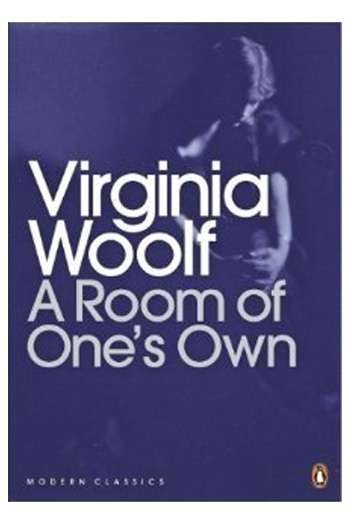
Any person who holds their creativity sacred, yet has felt historically sidelined, should read this groundbreaking work. It’s a feminist chant that analyzes, argues and explores women and fiction. It was born out of a speaking engagement she had to deliver at Cambridge University. It is still relevant in present times and offers advice to writers on their craft and creative freedom in a capitalistic and patriarchal society. In fact, the critic Robert Canigel said that men are cheating themselves if they do not embrace this book.
12. Mrs Dalloway
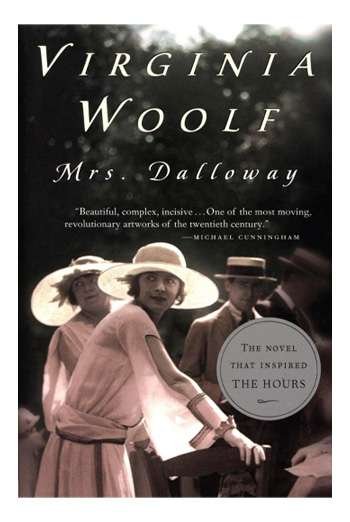
This is perhaps her most famous work. It’s set in post – war Britain and follows a day in the life of Clarissa or better known as Mrs Dalloway. She is a wife, a mother and a socialite who is preparing for a party that she’s hosting. It brings forth important themes such as : politics, war, the experience of young love and mental illnesses through dialogues and internal monologues of characters. The genius of this book is that Woolf creates a double of Clarissa, known as Septimus and then never makes them meet.
Conclusion
Woolf was a great observer of everyday life, almost as if each mundane moment was a stairway leading her inward, toward deeper introspection. She was fascinated by all thoughts and curious about every being. Woolf’s penetrating sensibility allowed her to capture the subtlest shades of human experience, turning private thoughts into universal reflections. It is precisely this blend of observation and introspection that makes her writing so vivid and her legacy so everlasting.