March 11, 2025 – March 21, 2025

India is a trip into a wonderful world of contradictions. It is crazy yet calming. Welcoming yet scary.
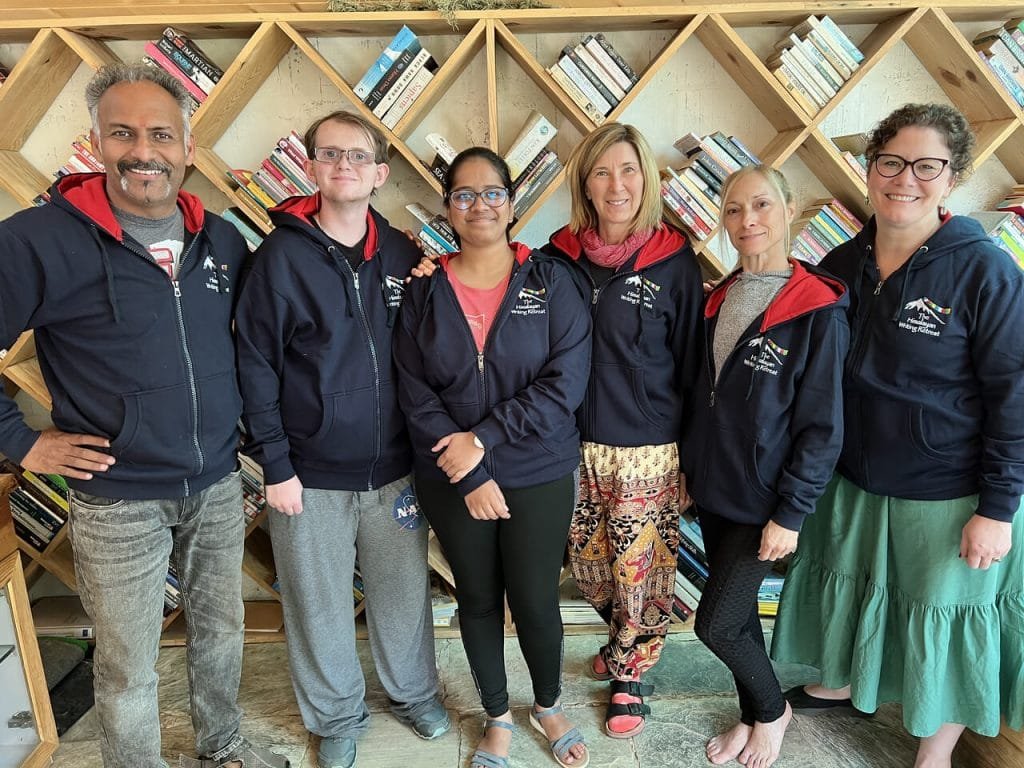
This 10-day experience is curated and designed for writers. Guiding you on this literary adventure will be Sarah Elizabeth Schantz. The Himalayan Writing Retreat conducts many such events every year, and has a track record for its teaching as well as hospitality.
Dear poet/writer, we’d love to know you better.
What are you writing?
In prose, you prefer…
To stay informed about articles related to poetry writing,
would you like to get emails from us?
We don’t spam and you can unsubscribe any time.
In prose, you prefer…
To stay informed about articles related to fiction writing,
would you like to get emails from us?
And we’re happy to throw in two free courses, too
We don’t spam and you can unsubscribe any time.
To stay informed about articles related to prose and poetry writing,
would you like to get emails from us?
And we’re happy to throw in two free courses, too
We don’t spam and you can unsubscribe any time.
To stay informed about articles related to non-fiction writing,
would you like to get emails from us?
And we’re happy to throw in two free courses, too
We don’t spam and you can unsubscribe any time.
The retreat begins with a warm welcome for each participating writer at Delhi International Airport. Elephants, snake charmers and slums are the cliches of India. So is the Taj Mahal. We’ll visit the Taj – the most compelling, majestic cliché we’ve ever seen. And then we’ll head to silence and nature in the Himalayas, where birds chirp and silence sings. Here, you can clearly, loudly hear your inner voice.
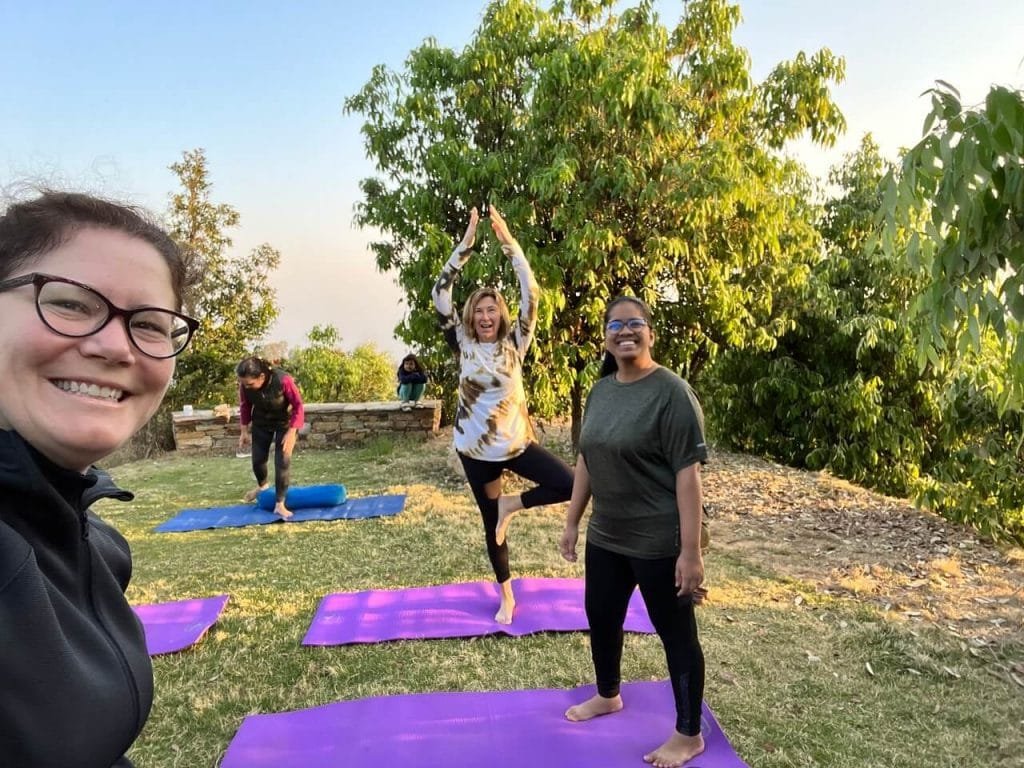
All stays are pre-arranged, all transfers are by private coaches or First Class trains. The serenity of the rural Himalayas is a stark contrast to the touristy India of the first two days. In the mountains, you continue to discover a sliver of India everyday, but at a relaxed, unhurried pace. A dedicated yoga teacher holds sessions everyday. You spend many hours free-writing in the halo of Himalayan peaks that would dwarf Denali. You’ll end with a funky walk through the old city and its spice market.
The craft sessions center on character and dialogue and also touch upon plot and editing. Every participant gets feedback through a workshop with the retreat leader – Sarah Elizabeth Schantz and Chetan Mahajan.
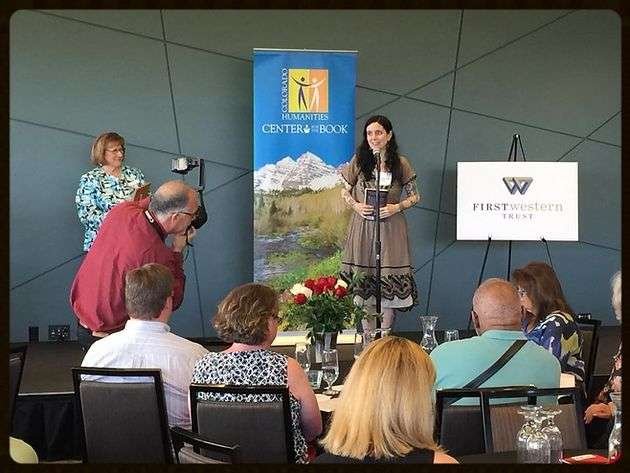
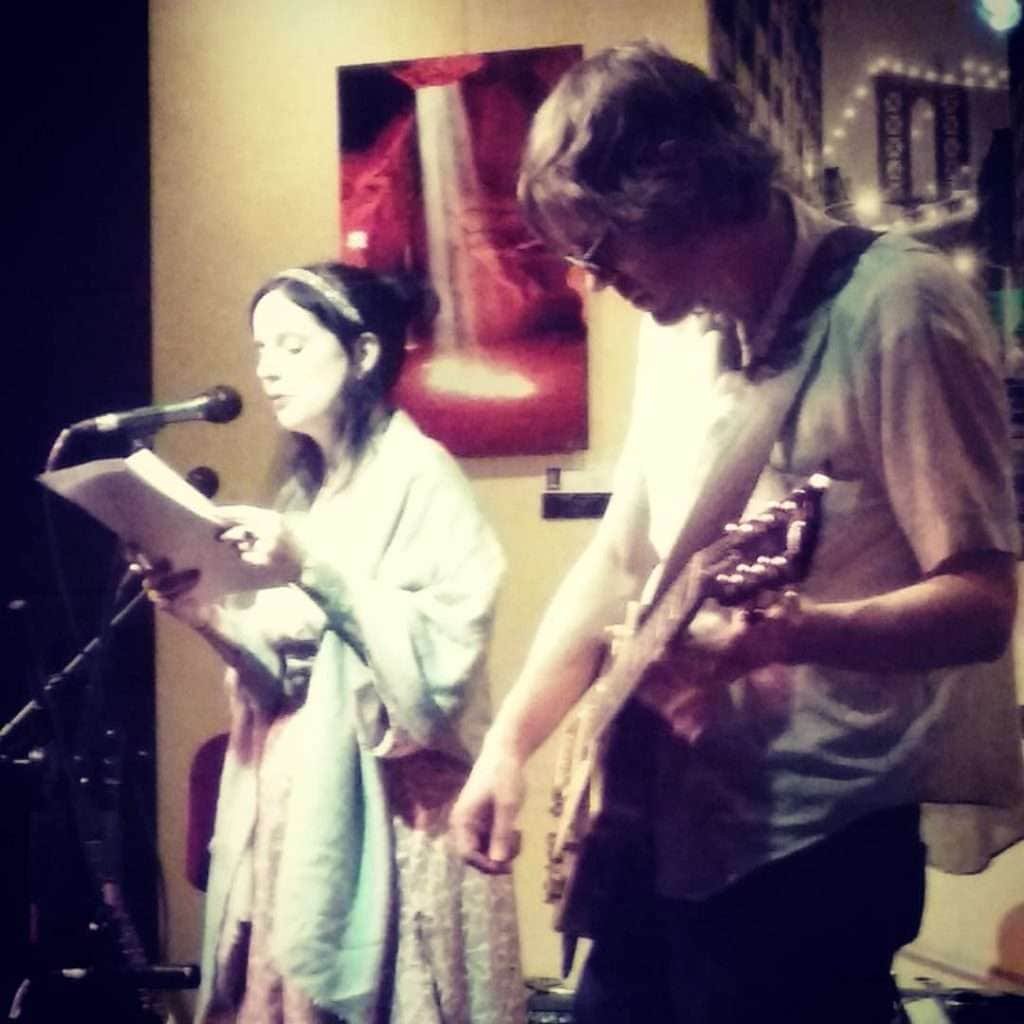
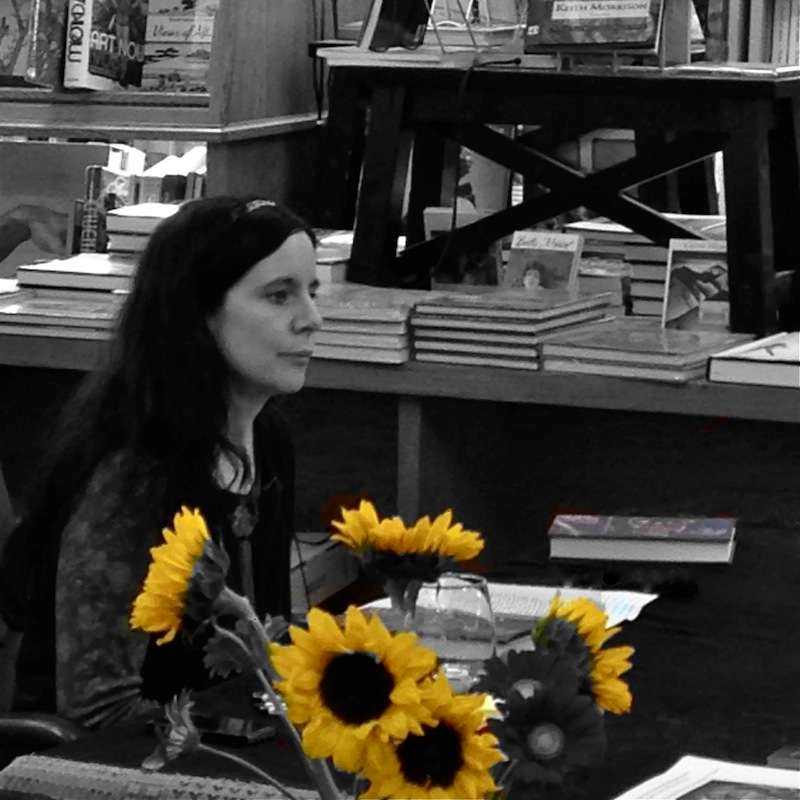
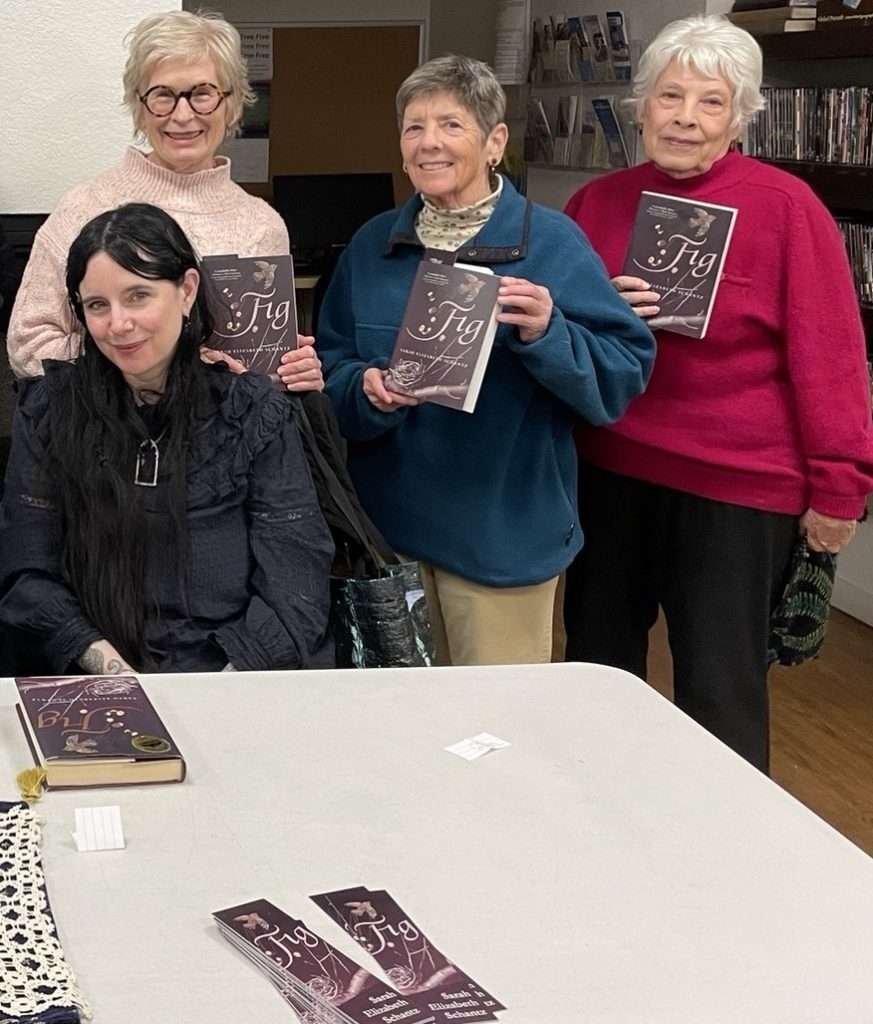
Sarah Elizabeth Schantz is a writer living on the outskirts of Boulder, Colorado. Her first novel Fig debuted from Simon & Schuster in 2015 and was selected by NPR as a Best Read of the Year before winning a Colorado Book Award in 2016.
Chetan Mahajan – a memoir author and writing coach – will support her. A graduate of Northwestern University, USA. Chetan is a Penguin published author, columnist and cofounder of the Himalayan Writing Retreat.This ten-day retreat will be held in March 2025. For other international retreats conducted by the Himalayan Writing Retreat, click here.


Summary Schedule.
| Date | Breakfast | Morning session | Lunch | Afternoon / evening | Dinner |
| (Day 1) 11 Mar | At Tree of Life (or equivalent), our Delhi Hotel. | Received at the airport and brought to the Delhi Hotel. | Dinner at one of Delhi’s nicest restaurants | ||
| (Day 2) 12 Mar | 6.30-7 AM | (7 AM leave for Taj Mahal, Agra – a four hour drive.) Work: Observation and specific detail. | After seeing the Taj, at one of Agra’s finest restaurants. | Drive back from Agra to Delhi | At the hotel |
| (Day 3) 13 Mar | Leave hotel and board train at 6.20 AM. Breakfast on the train | On the train. Cars meet you at Kathgodam train station and drive you to the retreat. | iHeart Café, Bhimtal | Reach retreat by 4 PM. Session 1: 5pm-6pm: What I Am Here To Say | Welcome dinner at the Retreat. |
| (Day 4) 14 Mar | Morning yoga. Breakfast at the Retreat | Session 2: 10-12: The exquisite is in the detail. | At the Retreat | Visit to Chirag School / optional yoga | At the retreat |
| (Day 5) 15 Mar | Morning yoga. Breakfast at the Retreat | Session 3: 10-12: Writing like a camera | At the Retreat | Optional yoga / Bollywood night | At the retreat |
| (Day 6) 16 Mar | Morning yoga. Breakfast at the Retreat | Session 4: 10-12: The Narrative Clock | At the Retreat | Excursion / optional yoga | At the retreat |
| (Day 7) 17 Mar | Morning yoga. Breakfast at the Retreat | Session 5: 10-12: To become or not to become | At the Retreat | Hike into the Forest reserve | At the retreat |
| (Day 8) 18 Mar | Morning yoga. Breakfast at the Retreat | Session 6: 10-12: Voice | At Café Bird-cage | Visit to Shiva Temple in Mukteshwar/ optional yoga | Open Mic, post-dinner |
| (Day 9) 19 Mar | Morning yoga. Breakfast at the Retreat | Session 7: 10-12: Revisionary Strategies | At the Retreat | Excursion / optional yoga | Open Mic, post-dinner |
| (Day 10) 20 Mar | Morning yoga. Breakfast at the Retreat | Leave retreat by 10.30 AM to take train back | Lunch at Café Belpatra, Bhimtal | Train departs 3.10 PM. | On the train, then head to Tree of Life. |
| (Day 11) 21 Mar | Breakfast 7 AM. Keep bags packed for checkout before you leave. | Walking tour of old city. | Farewell lunch at Roots Cafe. | Continue shopping / drop to airport. | Drop to airport. Can eat at hotel on paid basis. |
When: 11 – 21 March, 2025
Who: The workshop is led by Sarah Elizabeth Schantz & Chetan Mahajan. (For instructor profiles scroll down)
Where: The Himalayan Writing Retreat, Satkhol Village. Uttarakhand – 263138 (India).
How much: USD 3400 all inclusive.
The price includes all classes, yoga sessions, transfers, in-country travel, hotel stays, retreat accommodation, food and water. The price does not cover International flights, personal expenses such as shopping, visiting places on your own, extended stays before or after the retreat, tips etc. Alcohol is not included in the price, but you can grab some at Duty free or at a local store.
Only ten participants accepted on a first-come first-serve basis. To apply, click the button
About your mentors
Sarah Elizabeth Schantz
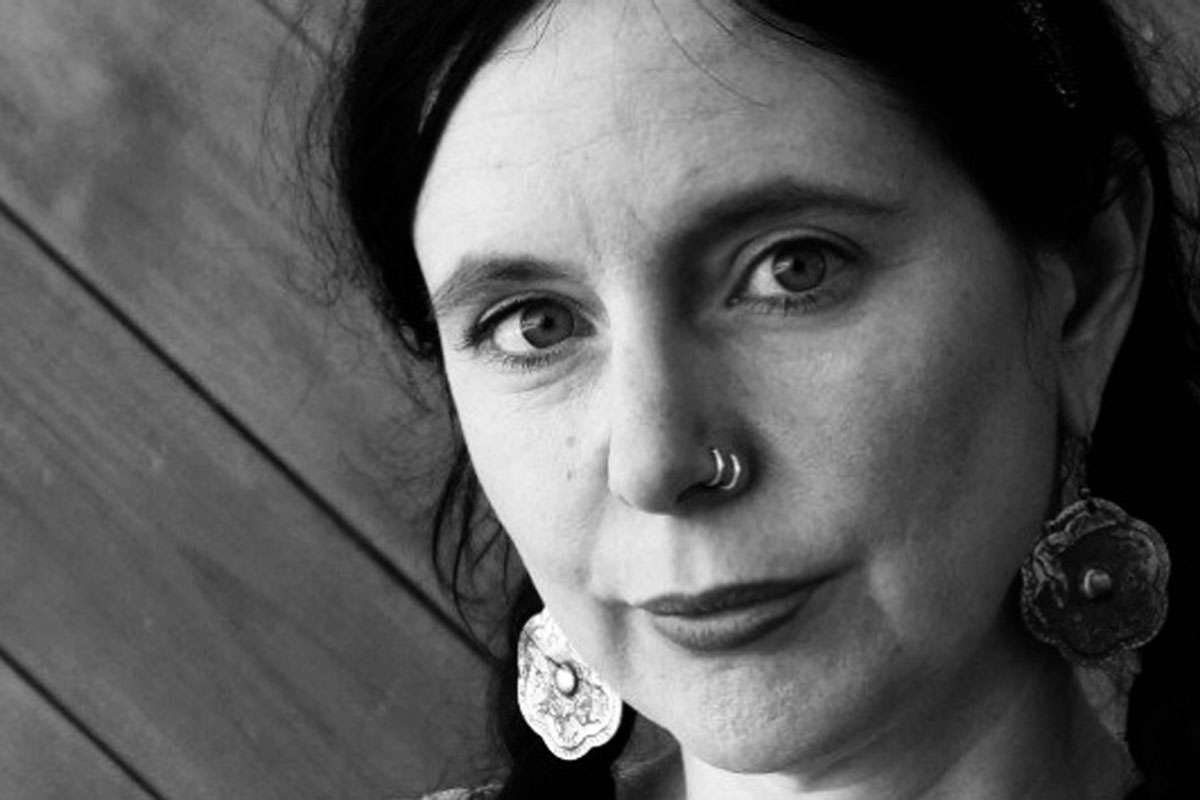
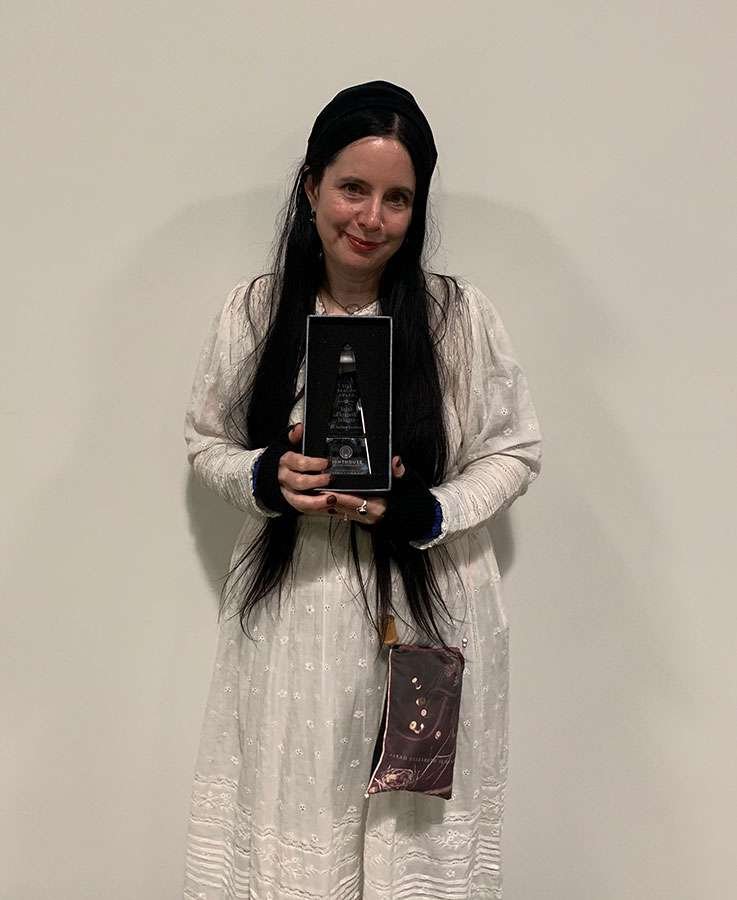
Sarah Elizabeth Schantz is a writer living on the outskirts of Boulder, Colorado in a Victorian-era farmhouse with her family where they are surrounded by open sky, century-old cottonwoods, and coyote. Schantz’s short stories, essays, reviews, and the occasional poem, have been widely published in Midwestern Gothic, Third Coast, Hunger Mountain, Bombay Gin, The Los Angeles Review, The Adirondack Review, Alligator Juniper, Maggot Brain, and many more (several of these publications were the result of winning, or placing as a finalist, for the various literary competitions hosted by these journals). She has been nominated for the Pushcart Prize twice and was included in Best New Stories from the Midwest. Most recently, Schantz was a finalist for a 2022 Writer’s Digest Writing Competition. Her first novel Fig debuted from Simon & Schuster in 2015 and was selected by NPR as a Best Read of the Year before winning a Colorado Book Award in 2016. In 2020, her chapbook titled Down in the Water was published by Gesture Press. Schantz teaches creative writing as faculty at Lighthouse Writer’s Workshop in Denver, Colorado where she was the 2022 recipient of the Beacon Award for Excellence in Teaching. She also teaches for the MFA program at Naropa University, and through her own seasonally-inspired workshop series and author services, (W)rites of Passage, which she founded in 2013. As one half of The Literary Ladies, Schantz cohosts the reading series, FRAME, with Toni Oswald, a literary salon held at the East Window Gallery in North Boulder. She is currently working on two different novels and one collection of short stories. Common themes in her work orbit the relationship between mothers and daughters, mental health, and grief.
Chetan Mahajan

Chetan Mahajan is the co-founder of the Himalayan Writing Retreat. A Penguin-published author, he quit the corporate world and moved to a village in the Himalayas to be a full-time author, blogger, and teacher almost a decade ago. He is also a writing coach with the London based “the writing coach”.
Chetan blogs about life in a Himalayan village at www.uncity.blog. This blog won the Indiblogger award for Humor in 2017.
He is currently working on his first novel “Tara and Vishnu” and also co-authoring a non-fiction book. Chetan often writes columns for Readers Digest, Mint, Outlook Magazine, Hindu Business Line, and the Hindustan Times (Brunch).
Detailed Program
Spring 2025 – Retreat Schedule.
We begin in the cities of Delhi and Agra, then travel to the Himalayas. All stays and transfers are pre-arranged. The serenity of the rural Himalayas is a stark contrast to the touristy India of the first two days. In the mountains, we continue to discover a sliver of India every day, but at a relaxed, unhurried pace. Up here, you write in the halo of Himalayan peaks–five thousand feet taller than Mt. McKinley. If you have questions about India, click here to read our India travel FAQs.
Program
To utilize the experience of travel, we will focus the workshops for this retreat on setting, both time and place, with attention to detail (and writing like a camera), plus a character’s journey (story). Rather than focusing on just Freytag’s pyramid or the Hero’s Journey, we will also explore alternative narrative structures and radical revision strategies using the micro to unlock the macro. Everything we do will be applied to both the drafting and crafting of narrative, but also the microscopic and macroscopic art of reVISION. Because Sarah Elizabeth Schantz comes from the School of Divinatory Poetics, we will draw daily from the Tarot and other oracular practices to provide participating writers with a lens through which to view their writing, their day-to-day experience, learning that we already know what it is we need to do on the page and in life.
The daily program is outlined below. We plan on having craft classes/topics each day. In addition, we’ll have two one-hour one-on-ones with Sarah (2 manuscripts a day).
Day 1, March 11, Tuesday
Welcome!
Arrive at Delhi Airport any time after 12 noon on the 11th of March. One of the Team members from the Himalayan Writing Retreat (we’ll share these details before you arrive) will meet you at the airport and bring you straight to your hotel. Your stay is arranged at the Tree of Life BnB, amongst Delhi’s top rated. In addition to being highly rated, the hotel is also close to many amenities.
No class on this day.
Today, we’ll get settled and have an opportunity to get to know one another better. Many international flights land in Delhi at unearthly hours. If your flight gets in before noon on the 11th of March, we will still meet you at the airport and take you to your hotel. We’ve also negotiated a great room rate at which you can stay for an extra night. Please confirm your travel itinerary to us at the earliest opportunity so that we can book accordingly.
Day 2, March 12, Wednesday
This love story inspired a Wonder of the World.
We start the day early and drive to Agra in a private coach to see the Taj Mahal. Jet Lag is for Amateurs say’s Dick Clark, but it is real, and this four hour drive from our hotel will allow you to rest or sleep off some of your jet-lag. We will try and get back in time for a short session on travel and writing soon after. The round trip will take a full day. Lunch will be at one of the best restaurants in Agra. We will have dinner and stay the night at our Delhi hotel.
Topic of the Day: Observation and Specific Detail (no workshop)
The liminal state of travel (and even jet-lag!) is perfect for observation—you’re extra-sensitive, raw, and open to experiencing your new surroundings in a more passive and receptive way. Today, we’ll take advantage of any discombobulation to practice openness to specific sensory detail via close observation of the world around us.
Over breakfast, you’ll receive brief instruction on our observational tasks for the day, designed to enrich and expand upon your experience at the Taj Mahal. After we return, we will reconvene over dinner to discuss our observations and tools for using those specific details in our writing during the days to come.
Henry James said: “Try to be one of the people on whom nothing is lost.” This is good advice for human beings in general, but especially for writers. As we visit the Taj Mahal, consider: What can you notice in these surroundings that everyone might notice? What can you notice that very few people—or only you—might notice? As you do so, remember that most people rely on their sense of sight above all the others. Can you use not only sight but also hearing, touch, smell, and taste as you try to absorb these new places? What do the details that you take note of say about the place and the people in it? What do they say about you, the observer?
Day 3, March 13, Thursday
Off to the Mountains!
On the train ride, we will continue honing our skills of observation and connection to place; for instance, we will experiment with writing a story or a poem in the voice of a personified map. It can be a street map, a treasure map, an ordinance survey map, etc., but use the voice to speak directly to the reader in order to get them to do or understand something. An obvious choice of map might be the route you have encountered so far in your journey to get here—the airport you flew out of at your point of origin, the one at the New Delhi Airport, the hotel, the Taj Mahal, the train station. But you could also go further afield. As we did yesterday, can you have this map also appeal to all five senses? Not merely sight, but hearing, touch, smell, and taste too?
We head out early and board the train from New Delhi Railway Station to head towards the Himalayas. We board the Kathgodam Shatabdi Express train and travel First Class to the town of Kathgodam (5 hours and 40 minutes). This is where the mountains start. We transfer to taxis for the last three hours of travel. Halfway home, we stop for lunch at the iHeart café owned and run by a couple from Bozeman, Montana (really!) who specialize in awesome coffee. We will then arrive at The Himalayan Writing Retreat (THWR) in Satkhol Village–our home for the next seven days.
The Himalayan Writing Retreat is custom-built for writers, designed to inspire and to offer a sense of serenity. This niche property has six double-occupancy guest rooms and a full staff to cater to your needs with love and the highest standards of hygiene. The food is tasty, fresh, and includes a lot of local cuisine.
We reach the Retreat around 4 PM and have a short session in the evening where we will discuss our plan for the next few days. Chetan will stay back in Delhi and rejoin you all on the morning of March 15th, but the HWR Team members will accompany you.
Session 1: Grounding in Time & Place
We will take advantage of our unique experience as tourists in India to appreciate the impact setting has on humans, the idea that setting is a biological experience, that we are hardwired to determine whether or not we are safe each time we enter a space, inside or outside, whether or not we have been there before. How does place serve as a character? How is the setting antagonist or not? We will also consider how time is setting too whether it’s seasonal or by time of day or era. Playing with Pam Houston’s concept of “The Glimmer,” we will gather glimmers as we acclimate to a new continent, country, climate, and culture.
With short readings (Dorothy Allison’s craft essay “Place”, an excerpt from Janet Burroway’s Writing Fiction titled, “Climate Control”, and Lynda Barry’s notion of “Fixed Places”), we will learn The Ten Mechanics of Setting, how characters/people carry places inside their heads and hearts, and how location must always also be action.
Day 4, March 14, Friday
Early Morning: Yoga session (evening yoga session also available on demand)
Morning: Workshop sessions and craft class at the Himalayan Writing Retreat.
Afternoon: An optional trip to the local school (www.chiragschool.org) and a social enterprise (http://b2r.in/). For those interested we can walk back – it is a 2 mile walk through the forest.
Evening: Open Mic Bonfire after sundown.
This day is Holi, the festival of colors in India.
Session 2: The Exquisite is in the Detail
We will learn how to identify and craft concrete and significant details as well as study the power of specificity and how to write specific details so they become universal. Tapping into both the sensory experience of being a human in the world, we will learn how to engage the reader’s senses by the details we choose to include, and how the power of subtext privileges the reader’s experience.
We will read a short excerpt from Janet Burroway’s Imaginative Fiction as well as Natalie Goldberg’s craft essay, “Be Specific,” and then write toward prompts carefully designed to unlock the exquisiteness of the detail. You will consider when, why, and how to use brand names (and how to create the equivalent if you are writing under the umbrella of speculative fiction such as magical realism or dystopian literature, etc.).
Day 5, March 15, Saturday
Early Morning: Yoga session (evening yoga session also available on demand)
Morning: Optional hike & write. After breakfast we head out for a short hike to a nearby temple on the hilltop. Along the way we stop and write sitting on a ridge in the pine forest.
Late morning/lunch: Workshop and craft class at the Himalayan Writing Retreat.
Afternoon – open time at the Himalayan Writing Retreat, or explore the forest reserve.
Evening: Bollywood movie night. It’s kitschy, yes. But it is part of the India experience, so we will watch a Bollywood movie with English subtitles and eat popcorn.
Session 3: Writing Like a Camera
Continuing to examine location as action, we will work more with character development via what they do, what their reactions to a place and other people are, how they interact. We will continue to use concrete, significant, and specific details to practice writing like a camera, providing a cinematic yet realistic experience of the world through your P.O.V. character/s. We will explore the idea of the “vivid verb,” and how it’s far more than just a charmingly alliterative phrase.
Looking at more of Janet Burroway’s craft lessons, we will consider the emotional and dramatic reasons for writing like a camera—when to zoom in for a close-up, when to pan out for a long shot. Using Steven Dunn’s “movements,” we will practice not only writing like a camera, but a moving camera that uses its P.O.V. character to track the sensory world to. We will think about the frame, writing what’s inside the lens while inferring what is on the periphery here; the exquisiteness of the details we’ve been learning to write will begin to really pay off. We will continue to consider perspective and the distance in which to tell a story.
Day 6, March 16, Sunday
Early Morning: Yoga session (evening yoga session also available on demand)
Morning: Optional walk through a local village.
Late afternoon: Generative class on writing and reflection.
Session 4: The Narrative Clock
Using Tom Grimes’ craft essay, “There Will Be No Stories in Heaven,” we will consider how literature teaches us how to die by placing emphasis on the ending of each and every story, how the narrative clock propels us from the beginning to the finish line. In the background of the calendar and the clock, we will think about narrative structure as a device for tracking time, and contemplate the shape of our stories looking at the hero’s journey, Freytag’s pyramid, as well as alternatives such as those outlined by Ariel Gore in The Wayward Writer or Jane Allison in her craft book, Meander, Spiral, Explode.
Also looking at sections from Chuck Palahniuk’s craft book, Consider This, and reading a short story by Carmen Maria Machado, we will learn to establish a narrative clock, how it can be utilized to create plot, and how to show time instead of telling time through a series of prompts. In addition to all this, we will return once more to the concept of time as a setting itself, and how to use it to our advantage. In workshop, we will ask each other, “How does my writing teach you to die?” and we will learn why this question is everything.
Day 7, March 17, Monday
Early Morning: Yoga session (evening yoga session also available on demand)
Morning: workshop session and craft class at the Himalayan Writing Retreat.
Midday and afternoon: We head over to the hill-town of Mukteshwar, a one hour drive. We visit the ancient temple of Mukteshwar (https://bit.ly/2ujZUbJ).
Session 5: Character—To Become or Not to Become
Thinking about character, we learn who populates our narratives by how they react to the situations which then occur upon the page whether you are making it up as you go (fiction) or attempting to record what did happen (memoir, CNF, historical fiction, etc.). All characters should have the chance to change but that doesn’t mean they will. We will track the different types of “becoming” narratives there are and then break the writing rule, “Don’t break character.”
Using a character development worksheet Schantz created, as well as literary examples by writers like Jeffrey Eugenides, Bonnie Jo Campbell, Samantha Hunt, and Raymond Carver, we will learn to ask our characters questions and how to show the reader who they are by the situations you place them in. Borrowing techniques from acting, we will focus on reaction, and to do so, we will circle back to the exquisiteness of details again to show interiority through behaviors, especially habits and routines, as well as body language and visceral sensations. Rebecca Makkai’s craft essay, “Interiority Complex”, plus The Emotion Thesaurus by Angela Ackerman & Becca Puglisi will help us avoid potential clichés while we practise writing authentic characters, both the main characters and their supporting cast. Using the narrator’s P.O.V., we will keep utilizing concrete, significant, and specific details to write like a camera.
Day 8, March 18, Tuesday
Early Morning: Yoga session (evening yoga session also available on demand)
Morning: Free writing time at the Himalayan Writing Retreat, or explore on your own.
Afternoon: Workshop session and craft class at the Himalayan Writing Retreat.
Session 6: Voice
Drawing from the lessons Schantz learned directly from her own writing mentor, Bobbie Louise Hawkins, we will consider the narrator’s voice, the voice of the characters cast within a story, and the art of dialogue and dialogue tagging. Using what we learned about reactions, behaviors, and body language from the last session, we will play with snippets of overheard conversations, experiment with P.O.V., and practice writing conversations by using tried and true tricks and techniques the instructor has mastered over time.
Day 9, March 19, Wednesday
Early Morning: Yoga session (evening yoga session also available on demand)
Morning: Workshop session and craft class at the Himalayan Writing Retreat.
Afternoon: Optional hike to visit the ancient Kapileshwar temple (said to be over 1000 years old).
Session 7: ReVISIONary Strategies
Lidia Yuknavitch says, “The art is in the mistake,” and in this overview of revision we will look at the task as the visionaries we all are as writers. Using a handout by the instructor titled, “The Art of the Line Edit,” we will focus primarily on how the microscopic line edit can and should result in big picture thinking. We will engage in exercises designed to help us make the right inquiries of what our work-in-progress needs while also learning how to get out of our own way to better trust the work itself to show us what it wants to be and where it wants to go. Ideally, we will walk away with several strategies for revision, and either a new-found love for this stage of drafting and crafting, or a rediscovered inspiration “to see to see” the work again for what it is rather than what we think it is or initially intended it to be.
Day 10, March 20, Thursday
Early Morning: Yoga session
Morning: We pack up and head back to Delhi by taxi and train. Our stay in Delhi is again at the super-friendly Tree of Life.
Day 11, March 21, Friday
Morning: After breakfast we check out from the hotel and head out for a guided tour of the old city. We start with the spice market – where all your senses will be on overdrive. A short rickshaw ride takes us through more of old Delhi where we visit a Jain temple, a mosque, and end our tour with a visit to the Gurudwara Sis Ganj Sahib, a Sikh temple. The tour is a deep dive into Indian culture and values. This tour, again, is conducted by the highest rated operators in India.
After lunch back at the Haveli, we can head out for some shopping or you can wait at the hotel for your flight (for waiting here and keeping a room, extra charges may apply). Airport drops are arranged for everyone based on your flight schedule. Those wishing to stay longer can do so at a pre-negotiated rate.
Travel and Stay
The Himalayan Writing Retreat is built for writing and learning. We are rated 5-star on google and facebook.
Once here, you will be sharing a room with a fellow participant (unless we’ve confirmed a single). All essentials like food, hot water, towels etc. are provided. No hidden costs.

It can snow in winter. Weather can vary and the weather chart of Mukteshwar (12 km from the retreat) is here. A pair of sturdy walking shoes, some rain protection and an extra layer or two are always a good idea.
Our rooms are built to let nature in and inspire you. To see pictures of the rooms click here . To see pictures of the writing spaces click here.
Frequently Asked Questions
You’re probably traveling to India for the first time and have many questions you want answers to. We’ve tried to answer some of those here. We’ll also answer specific questions during online info-sessions we have with all participants before your travel.
Q. Do I need a Visa?
A . Citizens from some countries need visas in advance. Travelers from Maldives and Japan can get a visa on arrival. To get more details, please check out https://en.wikipedia.org/wiki/Visa_policy_of_India#Visa-free_entry . Citizens of most countries (including UK, USA and Singapore) can obtain an e-visa for their travel. The latest updated information is at https://indianvisaonline.gov.in/evisa/tvoa.html .
Q. Okay, so I need a visa. How do I get it?
A. It’s actually pretty simple, as now you can get an e-visa. That means you don’t have to go anywhere in person or stand in Iine. You can apply online, and the visa will come to you in the email. Simply carry a printout of it with you. You can apply for the e-visa here. https://indianvisaonline.gov.in/evisa/tvoa.html
Q. When is the best time to buy my ticket?
A. The sooner you buy your ticket, the better the price you get. If you decide to buy a non-refundable ticket, do so once you have your visa in hand. Sometimes visa processing can take longer than anticipated. And you wouldn’t want potential visa related delays messing up your travel budget. So to get the best fare, apply for the visa at the earliest.
Q. Do I need travel insurance?
A. Yes, you need travel insurance. It is simplest to buy online. You can also use a trusted agent.
Q. What about food and water? Will I get sick?
A. You should only drink bottled water. Never drink tap water, or even brush your teeth with it. We provide for safe bottled water for all your travels. The food you eat should be freshly cooked and from the safest sources. Avoid anything raw or from the street. Avoid uncooked foods like cut fruit or salads. Travelers diarrhea can happen to tourists anywhere and the best way to avoid it is to eat and drink from safe places. In addition, maintain the highest standards of hygiene by frequently washing your hands and so on.
All the places where you will stay or eat with us are very sensitive to the needs of international tourists, and maintain the highest levels of hygiene.
Q. Do I need jabs/vaccinations?
A. Yes. Visit your local doctor before your trip and get a round of vaccinations. More detailed information is available here .
Q. What sort of weather should I expect?
A. India is a warm country. Your stay in the plains will be in Delhi. During spring and fall days Delhi is warm and sunny, sometimes hot. Evenings may be comfortable. You can see the climate chart for Delhi here.
The bulk of your time will be spent in the Himalayas in Satkhol village. Satkhol is not on the weather map but you can see weather forecasts for Mukteshwar which is six miles away (and 1000 feet higher). The climate chart for Mukteshwar is here.
The temperature in the Himalayas varies during these seasons. It can go from warm, sunny days to cool evenings and cold nights – colder if it rains. Although fall and spring are not the rainy season, showers can happen so it’s best to pack layers. Buildings here do not have heating so you’ll wear warm layers indoors as well.
Q. How should I plan to dress for India?
A. Except for big cities like Delhi, Indians tends to dress conservatively. While men can wear whatever is comfortable for them, women face some challenges.
– Shorts, tank tops and tops that show cleavage – though comfortable for Delhi – are not appropriate for public places or religious monuments
– Short sleeve tops are fine everywhere (bare shoulders/sleeveless tops are okay for Delhi)
– Any lower that is mid calf or longer – tights worn with long tops, capris, trousers, skinny jeans, skirts, dresses – are fine for everywhere
– Most people find keeping a scarf or thin cotton shirt to wear over a top (if it’s sheer or figure hugging) and trousers or long dresses handy when travelling around.
It is also best to bring a wide brimmed hat, shades and lots of sunscreen. These will come in handy when dealing with the Delhi sun/heat as well as the bright sunshine of the mountains.
Q. How much money should I carry?
A. Your stay and transfers are all taken care of by us. Credit cards work in urban areas but not in Dilli Haat (where you may go shopping). In the rural Himalayas – where the retreat is – there won’t be too much to buy. Avoid carrying too much cash on you.
Q. What about electrical devices? Will my laptop / phone charger work?
A. The power supply in India is the same as UK and the Middle-east, although the plug points are different. India’s power supply differs from the US. Indian power is 220 volts while the US is 110 volts. Avoid bringing high wattage things like hair dryers, etc. We’ve actually seen stuff like that go “poof” in a cloud of smoke.
Electronic devices such as laptop and phone chargers mostly work with 220 volts. Please read the voltage range given on the devices you plan to carry. If the “input” reads 110-240 volts you’re good. But if the input says “110 volts” only then you may need to buy an adapter or charger for India.
Q. Will there be Wi-fi?
A. The Delhi hotel, “Bungalow 99 (or equivalent) has internet connectivity in all rooms. The Himalayan Writing Retreat also has fairly decent broadband, but not in all rooms. We have broadband in most common areas. Our Wi-fi is a 100 Mbps fiber-optic line with an uptime of 95%+.
However, because of our remote location, the occasional outage can happen. A local Jio SIM/ Dongle is a good backup. That can also come in handy in case of the rare event of the power failure for more than 3-4 hours (our two inverters last that long).
Q. Can I get a local mobile phone connection? Will I need one?
A. Your phone company probably offers an international roaming package. They can be expensive but maybe the simplest choice. There are also some other services such as https://www.trabug.com/ but we don’t have any first-hand reports on these yet.
Will you really need one? Since you will mostly be in a group with people you know it is not essential, but it does help if you have one. It can be helpful for coordinating things, and certainly if you like to go exploring on your own.
Q. What should I do when I land in Delhi?
Most flights reach Delhi at a rather unearthly hour. When you exit the airport, someone will be waiting there holding a prominent placard with your name on it. After you link up with the person picking you up, we will request you to give a confirmatory call from the phone of the person receiving you. We will share India contact phone numbers, names and other details with you during the info session. If by any chance you cannot spot your name on the placards, call the contact number we give you.
Q. Do I need to carry any medicines?
If you take specific medicines on an occasional or regular basis, please carry enough to last your entire trip. Medicines are available in Delhi but the brands, salts and dosage might be different from what you are used to. The Himalayan Writing Retreat is located in a rural area. We have doctors at hand but we are 2 1/2 hours away from the nearest emergency room and well stocked medical store. So, it may be wise to carry a basic medical kit (the kind you would carry on a hike). You could include medicines for an upset tummy, travel/motion sickness (if you suffer from it), jet lag (optional), fever, common cold, allergies, aches and pains.
* Please also let us know if you suffer from any food related allergies, or have specific dietary requirements.
Have more questions? Feel free to write to us at info@himalayanwritingretreat.com .
Event Summary
Videos from Earlier International Retreats
International Writers Retreat April 2024
International Writers Retreat March 2024
International Writers Retreat 2019
International Writers Retreat 2022 – Pics