


Writing the Real: Observation, Attention, and Narrative in Nonfiction, with Rahul Pandita
September 26 to September 30
Writing non-fiction is a specialized skill. Finding a story, digging deep into it, and finding insight and meaning in the most obscure places is where it starts. The writing and editing then makes the raw information into an engaging , informative read.
Rahul Pandita is a master of non-fiction writing. Renowned for his coverage from conflict zones, he has four bestsellers under his belt. This Yale World Fellow and former journalist is also an editor of Open Magazine. His detailed profile is shared below.
If you are working on a non-fiction project – whether it be a book, or a serious non-fiction piece – this course will help you elevate your non-fiction writing.
Early Bird Pricing
- Taxes Extra
- Early Bird ends 12th Sept, 2026
- Strict Zero-Discount Policy
- Accommodation on twin-sharing basis
Regular Price
INR 48000 + GSTThree day outline
Before Arrival: Some pre-work may be shared with you.
- Day 1: Arrive September 26th. Relax and take things easy.
- Day 2: Observation: we will discuss the act of observation. We’ll do exercises and practice observation using lessons from the likes of Tracy Kidder, Joseph Mitchell and others.
- Day 3: We’ll dig into curiosity , and look at examples from Naipaul and Ryszard Kapuściński for Inspiration.
- Day 4: This where we focus on the craft. We will write, we will edit, and we will learn not by discussing, but by doing. Rahul Pandita will channel teachers like Tracy Kidder and Hemingway on this day.
- Day 5: Leave after a relaxed breakfast. The stars in your eyes are now backed up by a solid set of skills.
About the Instructor
Rahul Pandita
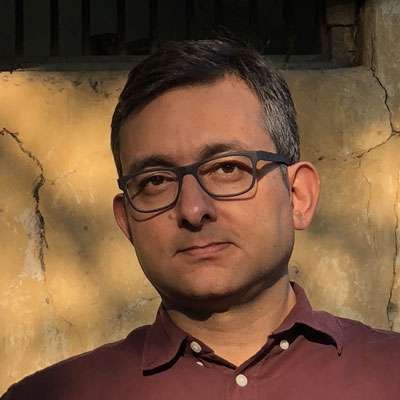
Rahul Pandita is the author of multiple bestselling books:
- Our Moon Has Blood Clots: A Memoir of a Lost Home in Kashmir
- Hello, Bastar: The Untold Story of India’s Maoist Movement
- The Loverboy of Bahawalpur: How the Pulwama case was cracked
- The Absent State: Insurgency as an Excuse for Misgovernance [co-authored].
Rahul is one of the founding editors of Open Magazine and has previously worked with the Indian Express and the TV Today group. He was also the Opinion and Special Stories Editor of The Hindu, one of India’s leading newspapers, which he quit citing editorial interference.
Rahul is the recipient of the International Red Cross Award for conflict reporting in 2010. He is a 2015 Yale World Fellow. His recent book, Our Friends in Good Houses, released in October 2025 is his debut in fiction. It follows a journalist’s journey and explores themes of displacement and belonging.
Travel & Stay
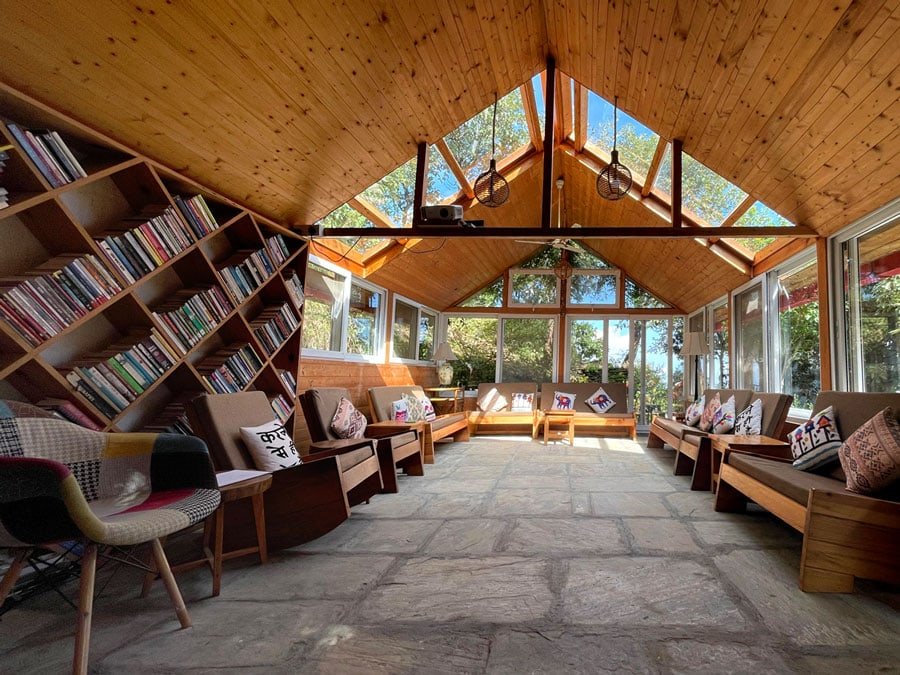
The Himalayan Writing Retreat is built for writing and learning. We are rated 5-star on Google and Facebook.
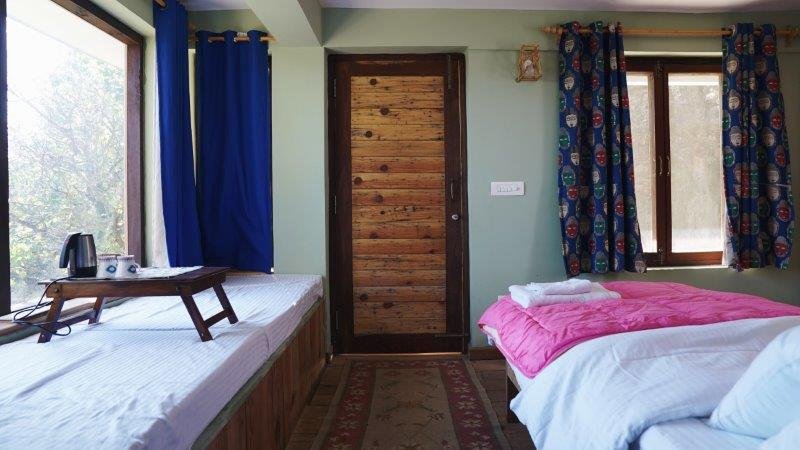
Once here, you will be sharing a room with a fellow participant (unless we’ve confirmed a single). All essentials like food, hot water, towels etc. are provided. No hidden costs.
It can snow in winter. Weather can vary and the weather chart of Mukteshwar (12 km from the retreat) is here. A pair of sturdy walking shoes, some rain protection and an extra layer or two are always a good idea.
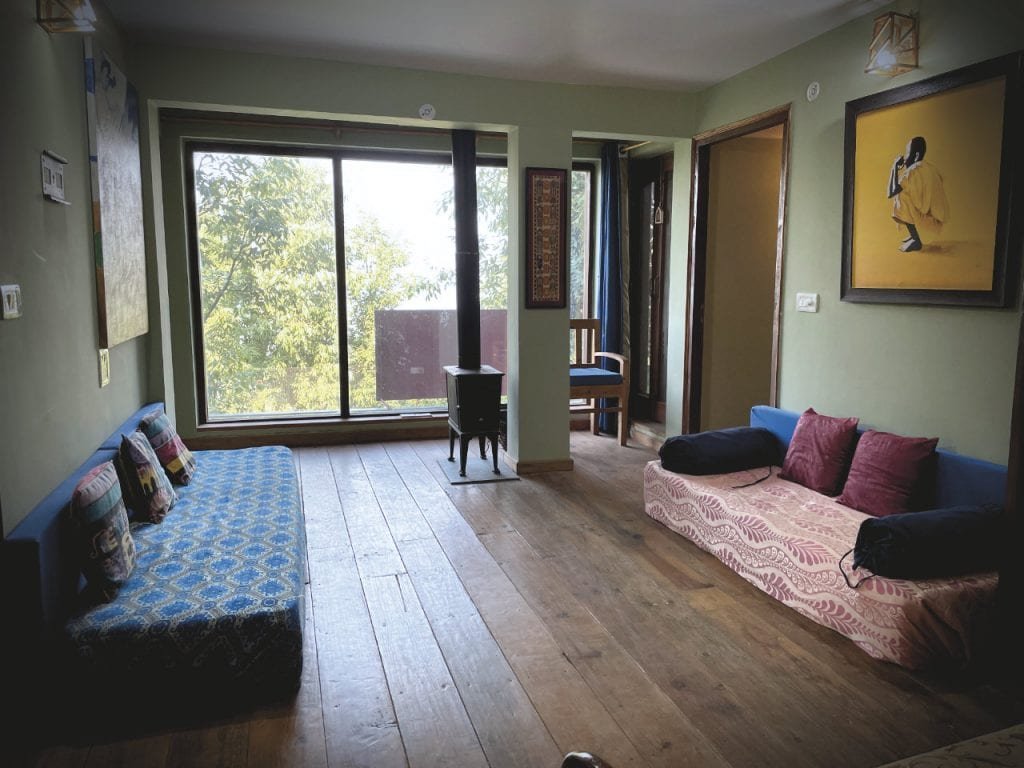
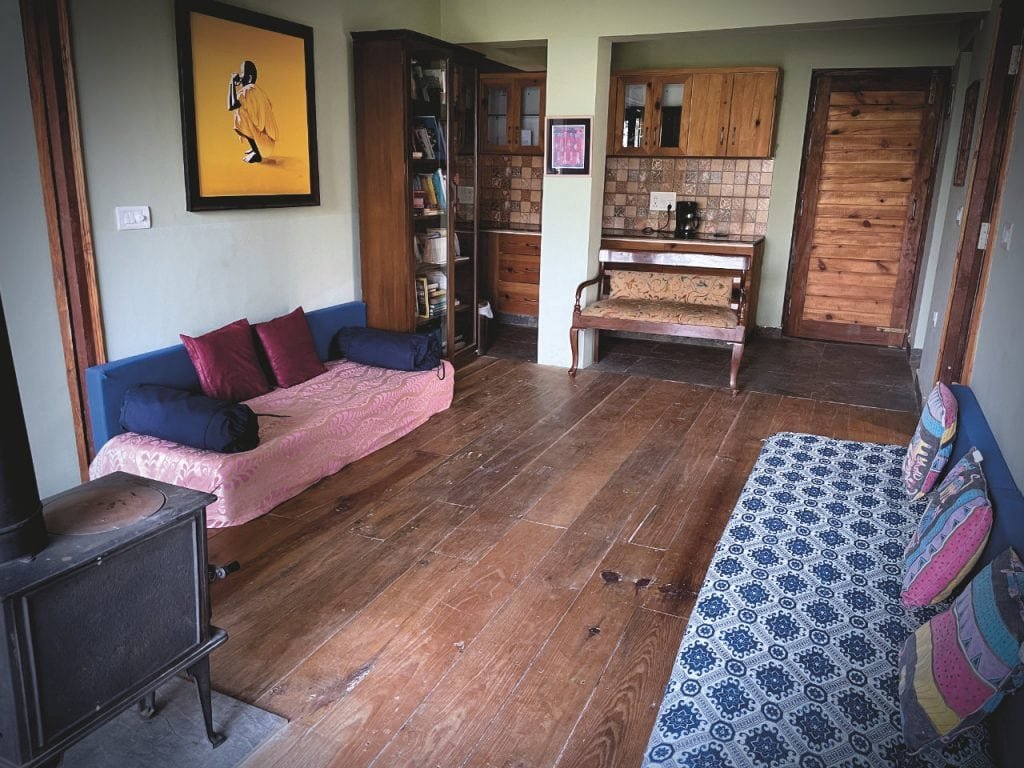
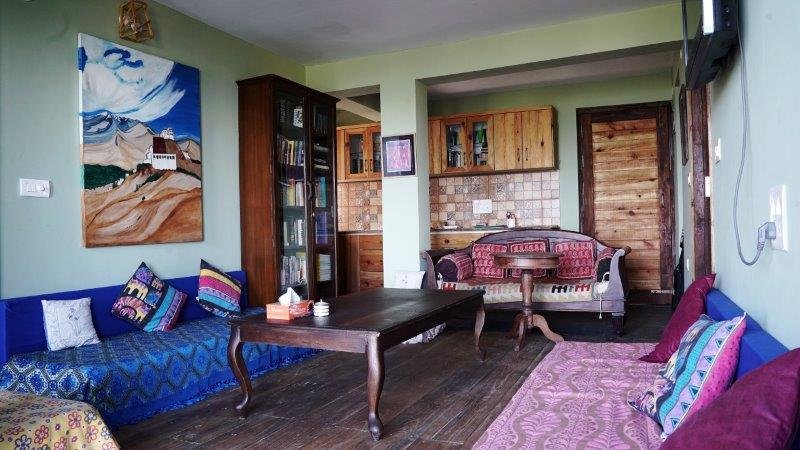
Our rooms are built to let nature in and inspire you. To see pictures of the rooms click here . To see pictures of the writing spaces click here.
Depending upon where you travel in from, you can reach us by road, train or air. Even if flying or taking a train, the final stretch is a drive, and the last 150 metres is a walk.
—
By Road
The retreat is a 370 km/9 hours drive from Delhi. If driving, we recommend you leave early. Note that parking at the retreat is on the road – we do not have any private parking. We have limited driver accommodation, so please check in advance.
Overnight Volvo buses ply between Haldwani and Delhi, the more reliable of which are government operated. You con book those here. Private Volvos and Sleeper buses also ply between Delhi and Haldwani, which you can book on redbus. Make sure you pick a bus with a high (4+) rating.
By Train
There are three trains a day from Delhi to Kathgodam, the nearest train station. Some others also come in from Kolkata, Lucknow and Dehradun. From Delhi, Ranikhet Express is a convenient overnight train both ways, but finding tickets can be difficult.
Most people prefer to take the Kathgodam Shatabdi (Delhi dep: 6.20 AM, Kathgodam Arr: 11.40 AM). A cab from Kathgodam to Satkhol takes about 2.5 hrs / Rs. 2200 (more for a big car). Cabs are often shared by participants.
By Air
There are daily flights from Delhi to Pantnagar. A cab from Pantnagar to Satkhol takes about 3.5 hr / Approx INR 4K.
There are direct flights from Mumbai and Bangalore to Bareilly 3-4 days a week. Satkhol is a 5hr / INR 5.5k cab ride from Bareilly. (More for a big car). Cabs are often shared by participants.
FAQs
- Why should I choose HWR Workshops?
- Personal Attention: We don’t take more than 10 students in a class. You get a lot of personal attention and feedback. No classrooms of 20-30 people or one-way pre-recorded videos here.
- Class Quality: For most courses, we filter our participants. You can’t just pay and sign up. We need to see a writing sample (in our application form) to ensure the class is of a uniform standard.
- Quality of Faculty: No lightweights here. Many of our faculty are award-winners. All are experts and great teachers. We don’t settle for average.
- A Decade’s Experience:The Himalayan Writing Retreat was founded in 2016. we’ve been doing teaching programs for writers for ten years. we;ve hosted over 1000 people, and have yet to have an unhappy participant. It shows up in everything we do.
- Feedback scores: Across courses, we are rated 4.9/5, or higher. You can read our reviews HERE.
- Do I get a certificate of participation?
Yes, certificates are available on request.
- Any discounts for students / other categories?
At the Himalayan Writing Retreat, we follow a strict No-Discount policy.
- Is the workshop fee refundable?
Our cancellation policy is as follows:
Online Writing Workshop:
* 95% refund if cancellation 2 weeks before the event start date
* 50% refund if cancellation one week before the start date
* No refund if cancellation less than one week before the start date.
Workshops in the Himalayas (INR Denominated) :
* 95% refund if cancellation 4 weeks before the event start date
* 50% refund if cancellation two weeks before the start date
* 0% refund if cancellation less than two weeks before the start date.
- Is the Himalayan Writing Retreat a business or an NGO?
The Himalayan Writing Retreat is a social enterprise. It works closely and actively to support the unique and precious Chirag School. On average, HWR raises INR 8 Lakhs every year to support the Chirag School.
Have more questions?
Feel free to write to us at:
info@himalayanwritingretreat.com
Or connect with us at
+91 73035 16665
(Call | WA | Signal)


Cancellation Policy for Physical Courses
- 95% refund if cancellation 4 weeks before event start date.
- 50% refund if cancellation 2 weeks before the start date.
- 0% refund if cancellation is less than 2 weeks before start date.